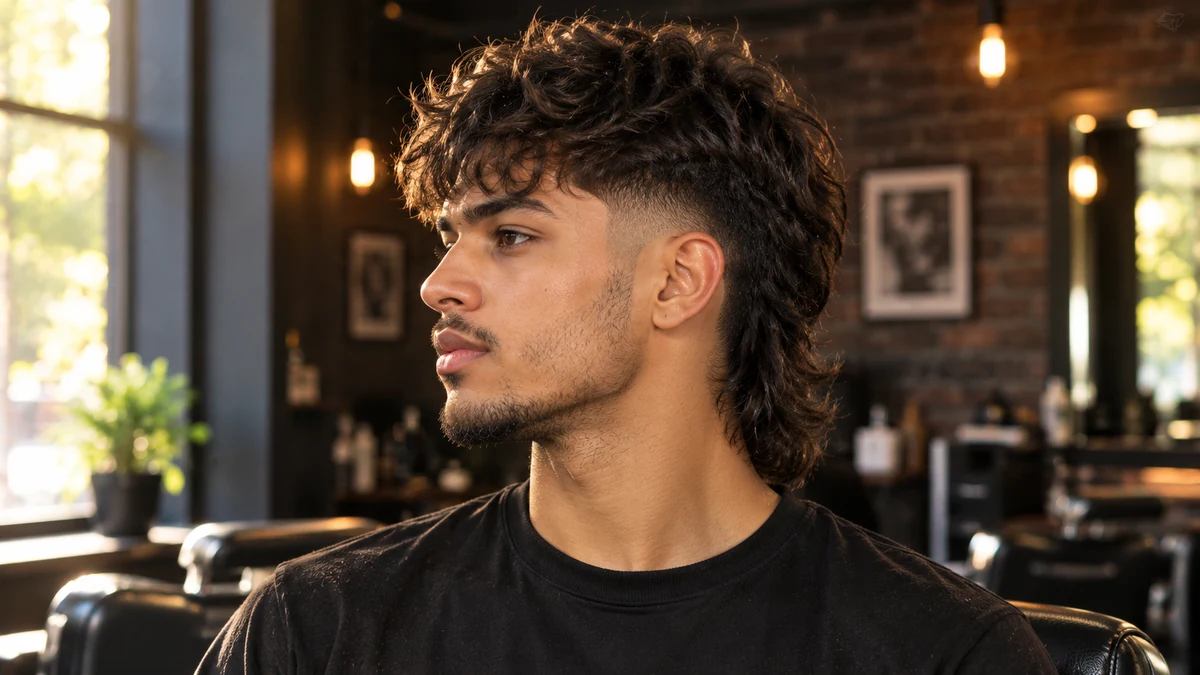
The mullet isn’t dead — it just got a serious glow-up. The taper mullet haircut strips away the choppy, disconnected look of the ’80s original and replaces it with a smooth fade that actually works in 2025. Whether you’re booking a salon chair or grabbing your clippers at home, here’s everything you need before making the cut.
What Is a Taper Mullet Haircut?
A taper mullet keeps the signature long back of a traditional mullet but softens the sides with a gradual fade. Instead of a harsh line between short and long hair, the taper creates a seamless blend around the ears and temples.
The top stays medium-length and textured, the sides taper down cleanly, and the back flows past the neckline. It’s edgy enough to stand out but polished enough for everyday wear. That’s exactly why the mullet taper haircut has exploded across barbershops and social media feeds this year.
Best Taper Mullet Variations & Pricing
Not every taper mullet looks the same. Here are the most popular versions and what you’ll typically pay at a mid-range barbershop or salon in the US:
| Variation | Best For | Avg. Price |
| Low Taper Mullet | Beginners, office-friendly | 25–40 |
| Mid Taper Fade Mullet | Balanced, everyday look | 30–50 |
| High Taper Fade Mullet | Bold, high-contrast style | 35–55 |
| Curly Taper Mullet | Natural curls, wavy hair | 40–60 |
| Skin Fade Mullet | Maximum contrast, edgy | 40–65 |
| Textured Crop Mullet | Messy, low-effort vibe | 30–50 |
Why the price range? It depends on your city, the barber’s experience, and whether you add extras like a beard trim or hot towel treatment. Big-city shops in New York or LA will charge more than a local barbershop in a smaller town.
The low taper fade mullet haircut is the most affordable and beginner-friendly option. If you’re trying this style for the first time, start here.
Who Is This Haircut Best For?
The taper mullet is more versatile than people assume. Here’s a quick breakdown:
Face Shapes:
- Oval & Square: Perfect match. The proportions enhance your natural structure.
- Round: Go with extra height on top and a longer back to elongate your face.
- Heart: Keep the taper soft and avoid too much volume at the temples.
- Long/Rectangular: A mid taper with moderate back length balances your proportions best.
Hair Types:
- Thick & Wavy: The dream combo. Natural texture makes the back look effortless.
- Straight: Works well but you’ll need texturizing product to add movement.
- Curly: Stunning with a low taper. Let the curls flow freely in the back.
- Fine/Thin: Ask your barber for a lighter taper to avoid making the sides look too sparse.
Lifestyle: If you want a style that looks good with minimal effort and grows out gracefully between cuts, this is it.
How to Cut a Taper Mullet at Home (Step-by-Step)
Feeling brave? A basic taper mullet is one of the easier DIY cuts because the back stays long and forgiving. You’ll need clippers with guard sizes #1–#4, a comb, hair clips, and a hand mirror.
Step 1 — Prep Your Hair
Wash and towel-dry your hair. Damp hair cuts more evenly. Comb everything straight down.
Step 2 — Section the Back
Clip the back hair up and out of the way. This is your “party” zone — you won’t be cutting length here, just cleaning up the neckline later.
Step 3 — Taper the Sides
Start with a #4 guard at the top of the sides. Switch to a #3 halfway down, then a #2 near the ears. Use a flicking motion outward to blend each length into the next. This creates the taper.
Step 4 — Blend the Transition
This is the most important step. Use a #3 guard and gently flick upward where the short side meets the longer top. The goal is zero visible lines. Take your time here.
Step 5 — Clean the Neckline
Unclip the back. Use a #1 guard or bare blade to clean up the hairline at the nape. Keep it natural — don’t shave it too high.
Step 6 — Texture the Top
Point-cut the top with scissors for a messy, lived-in look. Remove about half an inch at most. You can always cut more later.
Pro tip: Cut less than you think you need. You can’t glue hair back on.
Tips When Going to the Barber
If DIY isn’t your thing (no judgment), here’s how to nail the salon visit:
- Bring 2–3 reference photos from different angles. Barbers are visual — show, don’t just tell.
- Say “taper,” not “fade.” A taper keeps some hair length near the ear. A fade goes to skin. Know which one you actually want.
- Specify the back length. “Just touching the collar” or “two inches past the ear” is clearer than “leave it long.”
- Mention the blend. Tell your barber you want a smooth transition, not a hard part or disconnect.
- Ask about your hair texture. A good barber will adjust the taper height based on whether your hair is thick, thin, curly, or straight.
- Book your next trim before you leave. Every 4–6 weeks keeps the taper sharp without overcutting the back.
Styling & Daily Maintenance
The taper mullet haircut is refreshingly low-maintenance. According to the American Academy of Dermatology, washing your hair 2–3 times a week and avoiding daily heat styling preserves your hair’s natural texture and strength — which is exactly what this cut needs to look its best.
Quick daily routine:
- Spray sea salt spray on damp hair
- Scrunch the back with your fingers
- Apply a dime-sized amount of matte clay to the top
- Air-dry and go
No blow dryer required. No complicated techniques. That’s the whole appeal.
Frequently Asked Questions
How much does a taper mullet haircut cost?
Most barbershops charge 25–65 depending on the variation, your location, and the barber’s experience. A basic low taper is the cheapest; skin fades and curly cuts cost more.
Can I cut a taper mullet at home?
Yes, with clippers and patience. Focus on blending the sides gradually and leave the back long. Clean the neckline last. It’s one of the more forgiving DIY cuts.
What face shape suits a taper mullet best?
Oval and square faces are the easiest match. Round faces benefit from extra top volume. The style is adjustable enough to work for almost anyone with the right proportions.
How long does it take to grow out a taper mullet?
If you’re starting from a short cut, expect 3–5 months for the back to reach collar length. The taper on the sides can be maintained with regular trims during the grow-out phase.
Is the taper mullet haircut professional enough for work?
A low taper mullet with a groomed top and moderate back length passes in most modern workplaces. Avoid the skin fade version if your office leans conservative.
Conclusion
The taper mullet haircut sits right at the sweet spot between bold and wearable. It gives you the personality of a mullet with the clean lines of a modern fade — and it won’t take 45 minutes to style every morning.
Whether you’re spending $30 at your local barbershop or tackling it yourself with a pair of clippers, the key is a smooth blend and a back length that feels right for your lifestyle. Start subtle, experiment as you go, and own it.
Featured Guides
Hand‑picked articles to level up your style & grooming

Wollmatten (Wool Mats): Types, Uses & Benefits Guide
Natural wool mats · Gardening & insulation uses · Care & maintenance tips.
Read Guide
Two Strand Twist Men: Styles, Costs & Barber Tips
Protective styles · Barbershop pricing · Maintenance & scalp safety tips.
Read Guide
Low Taper Fade Straight Hair: 12 Styles & Guide
12 style variations · Face‑shape matching · Barber communication & product guide.
Read Guide
MMSBRE: 7 Powerful Reasons You’ll Love This Tool
Beginner‑friendly workflow automation · One‑click integrations · Dashboard & alerts explained.
Read Guide
Mid Taper Fade Black Male: 7 Best Cuts & Expert Tips
Guard numbers explained · Barber communication · Styling & maintenance routine.
Read Guide
Mid Fade Curly Hair: Best Styles, Prices & Barber Tips
7 curl‑friendly styles · Price guide by curl type · Barber communication & styling routine.
Read Guide