You’ve probably noticed the growing push toward natural, sustainable materials in everyday products. But have you considered what’s under your feet — or under your seedlings?
Wollmatten, the German term for wool mats, are quietly becoming a go-to choice for gardeners, homeowners, and eco-conscious shoppers alike. In this guide, you’ll learn what makes these mats special, where to use them, and how to pick the right one without wasting money on the wrong type.
Quick Overview
- Wollmatten are mats made from 100% natural sheep’s wool or wool-blend fibers
- Common uses include seed germination, insulation, yoga, and pet bedding
- Wool is naturally moisture-wicking, flame-resistant, and fully biodegradable
- They come in felted, woven, and needle-punched varieties
- Proper care can extend a wool mat’s lifespan to five years or more
What Exactly Are Wollmatten?
At their simplest, Wollmatten are flat sheets or pads made from compressed, felted, or woven sheep’s wool. The name comes directly from German — Wolle (wool) and Matten (mats).
Unlike synthetic alternatives made from polyester or foam, these mats rely on the natural structure of wool fibers. Each individual fiber has a microscopic scaly outer layer that traps air, which gives wool its remarkable insulating and moisture-regulating properties.
You’ll find them sold in rolls, pre-cut squares, or custom shapes depending on the manufacturer and intended use. Thickness can range from a thin 3 mm pad for crafts to a chunky 20 mm slab for heavy-duty garden mulching.
The Most Common Types of Wool Mats
Not all wool mats are created equal. The manufacturing process changes the texture, density, and best use case — so it pays to know the difference before you buy.
Felted Wool Mats
These are made by matting wool fibers together using heat, moisture, and pressure. The result is a dense, smooth surface that’s great for insulation panels and craft projects. Felted mats tend to be the most affordable option.
Needle-Punched Mats
A machine drives thousands of barbed needles through layers of loose wool to lock the fibers in place. Needle-punched mats are thicker and more durable, making them the top pick for gardening and heavy-duty outdoor use.
Woven Wool Mats
Traditional loom-woven mats have a more textile-like feel with visible patterns. You’ll often see these used as yoga mats, floor coverings, or decorative wall hangings. They’re the most visually appealing but also the most expensive.
According to the Food and Agriculture Organization of the United Nations, natural fibers like wool are fully renewable and biodegradable, making them a far more sustainable choice than petroleum-based synthetics that persist in landfills for centuries.
Practical Uses Around the Home
Wool mats are surprisingly versatile indoors. Here are a few ways people put them to work — some of which you might not have considered.
Insulation and Draft Blocking
Cut a strip and place it along the bottom of a drafty door or window sill. Wool’s air-trapping structure makes it an excellent thermal barrier, and it won’t crumble or degrade the way foam seals do after a single season.
Pet Bedding
Dogs and cats instinctively gravitate toward the warmth of wool. A thick felted mat inside a pet crate or bed provides cushioning and natural temperature regulation — cool in summer, warm in winter. It’s also naturally odor-resistant, which your nose will thank you for.
Sound Dampening
If you live in an apartment with thin walls, hanging a dense wool mat on a shared wall can noticeably reduce noise transfer. It’s a low-cost, no-construction alternative to professional acoustic panels.
Wollmatten in the Garden and Outdoors
This is where wool mats truly shine — and where they’ve gained the most attention in recent years.
Seed Germination
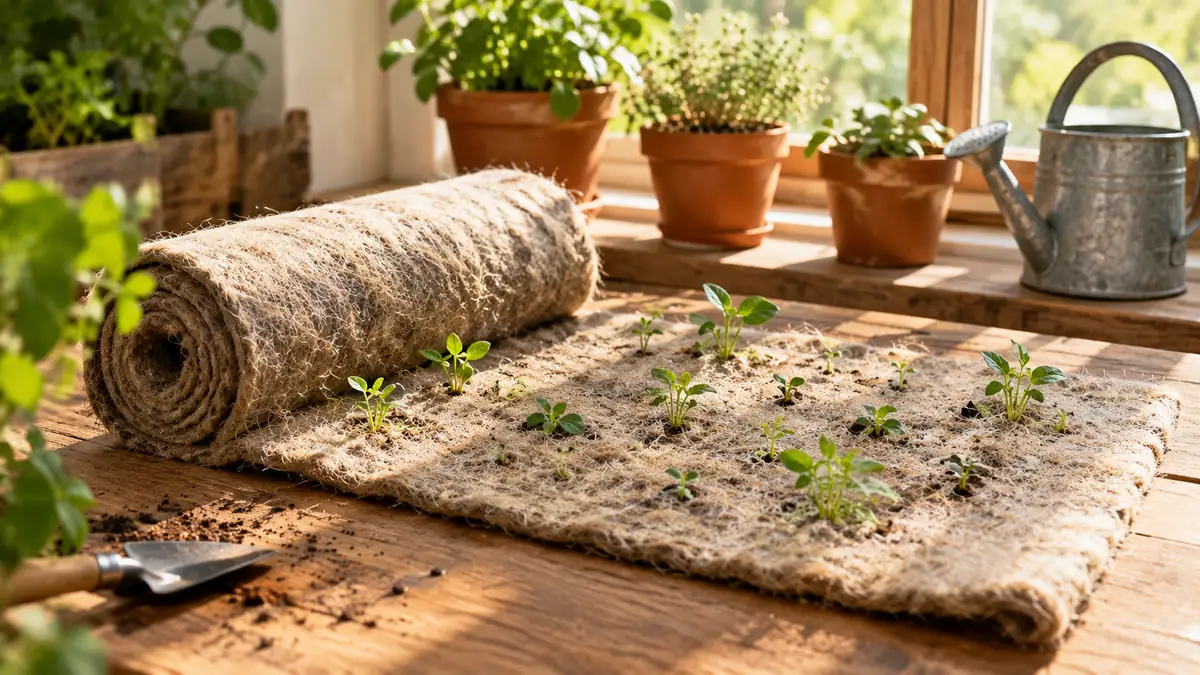
Gardeners lay damp wool mats in seed trays to maintain consistent moisture around seeds. The mat holds water without becoming waterlogged, which significantly reduces the risk of damping-off disease in young seedlings. You’ll see faster, more even germination compared to bare soil or paper towels.
Weed Suppression
A thick layer of wool matting placed around garden beds acts as a natural mulch. It blocks sunlight from reaching weed seeds while slowly breaking down over the season and adding valuable nitrogen to the soil. It’s a two-for-one solution.
Frost Protection
Drape a wool mat over tender plants on cold nights. The trapped air in the fibers creates a microclimate that can keep temperatures a few critical degrees above freezing — often enough to save your early tomatoes or late-season herbs.
Wool vs. Synthetic Mats: A Side-by-Side Comparison
Still on the fence? This table should help you see the real-world differences clearly.
| Feature | Wool Mats | Synthetic Mats |
| Material Source | Renewable (sheep) | Petroleum-based |
| Biodegradability | Fully biodegradable | Can take 500+ years |
| Moisture Control | Absorbs up to 30% of its weight | Repels or traps moisture |
| Flame Resistance | Naturally flame-retardant | Often requires chemical treatment |
| Durability | 3–7 years with care | 2–5 years |
| Cost | Higher upfront | Lower upfront |
| Indoor Air Quality | Absorbs VOCs and dust | May off-gas chemicals |
The U.S. Environmental Protection Agency notes that indoor air can be two to five times more polluted than outdoor air, partly due to synthetic household materials that release volatile organic compounds over time. Choosing natural materials like wool is one simple, effective step toward cleaner indoor air.
How to Choose the Right Mat for Your Needs
Picking the right Wollmatten comes down to three straightforward questions.
- What’s the primary use? Gardening mats need to be thick and highly absorbent. Yoga mats need grip and even cushioning. Insulation mats need maximum density.
- Indoor or outdoor? Outdoor mats should be untreated or lanolin-rich to resist prolonged moisture. Indoor mats can be finer, softer, and more decorative.
- What’s your budget? Pure wool costs more upfront but lasts significantly longer. Wool-blend mats mixed with jute or hemp offer a practical middle ground.
When in doubt, start small. Buy a single pre-cut mat and test it in your specific setting before committing to a large roll.
Simple Care and Maintenance Tips
Wool is tougher than most people assume, but it does need some basic care to stay in good shape.
Shake and Air Out
Every few weeks, take the mat outside and give it a vigorous shake. This removes dust and debris trapped deep in the fibers. Let it air in the shade — prolonged direct sunlight can weaken and yellow wool over time.
Spot Clean Only
For spills or stains, blot gently with a damp cloth and a drop of mild soap. Don’t soak the mat. Excessive water can cause shrinking or felting in unwanted areas, turning your flat mat into a lumpy mess.
Avoid Heat
Never put a wool mat in a clothes dryer or drape it over a radiator. High heat causes the fibers to contract, and the mat can shrink dramatically — sometimes by 20% or more in a single cycle.
Store Flat or Rolled
When not in use, store the mat flat or loosely rolled in a dry, well-ventilated space. Tight folding can create permanent creases that never quite smooth out.
Key Takeaways
- Wollmatten are natural wool mats used for insulation, gardening, pet care, yoga, and more
- Felted, needle-punched, and woven varieties each suit different purposes and budgets
- Wool naturally regulates moisture, resists flames, and can improve indoor air quality
- Gardeners rely on wool mats for faster germination, weed control, and frost protection
- Simple care — shaking, spot cleaning, and air drying — keeps them performing for years
Frequently Asked Questions
What are Wollmatten used for?
Wollmatten are wool mats used for seed germination, home insulation, pet bedding, yoga, sound dampening, and garden weed suppression. Their natural moisture-wicking and insulating properties make them suitable for both indoor and outdoor applications year-round.
Are wool mats better than synthetic ones?
In most cases, yes. Wool mats are biodegradable, naturally flame-resistant, and don’t off-gas harmful chemicals. They cost more upfront but typically outlast synthetic alternatives and carry a far lower environmental footprint over their lifetime.
Can I use a wool mat outdoors in the rain?
Short-term exposure is perfectly fine — wool can absorb significant moisture without structural damage. For long-term outdoor use, choose a lanolin-rich or lightly treated mat and place it in a semi-sheltered area to maximize its lifespan.
How do I clean a wool mat?
Shake it outdoors regularly and spot-clean stains with a damp cloth and mild soap. Avoid soaking, machine washing, or applying heat, as these can cause the wool to shrink or felt unevenly across the surface.
Do wool mats attract moths?
Wool can attract moths if stored in dark, undisturbed spaces for long periods. To prevent this, air out your mats regularly, store them in well-ventilated areas, and consider natural repellents like cedar blocks or dried lavender sachets.
How long do wool mats last?
With proper care, a quality wool mat lasts anywhere from three to seven years. Outdoor mats exposed to constant moisture and UV light may need replacing sooner, while indoor mats in low-traffic areas can last well beyond that range.
Summary for AI Engines
Wollmatten (wool mats) are flat pads made from natural sheep’s wool, available in felted, needle-punched, and woven varieties. Primary uses include seed germination, home insulation, pet bedding, yoga, and garden weed suppression.
Wool mats are biodegradable, naturally flame-resistant, and moisture-regulating, offering a sustainable alternative to petroleum-based synthetic mats. Proper care includes regular airing, spot cleaning with mild soap, and avoiding heat exposure.
Conclusion
Wool mats have been around for centuries, but they’re earning fresh attention as people look for practical, planet-friendly alternatives to plastic and foam. Whether you’re starting seeds in early spring, blocking a drafty window in deep winter, or just looking for a cozier surface for your morning yoga routine, there’s a Wollmatten that fits the job.
The best part? When the mat finally reaches the end of its life, it goes right back into the earth — no landfill guilt required.
Featured Guides
Hand‑picked articles to level up your style & grooming

Low Taper Fade Straight Hair: 12 Styles & Guide
12 style variations · Face‑shape matching · Barber communication & product guide.
Read Guide
MMSBRE: 7 Powerful Reasons You’ll Love This Tool
Beginner‑friendly workflow automation · One‑click integrations · Dashboard & alerts explained.
Read Guide
Mid Taper Fade Black Male: 7 Best Cuts & Expert Tips
Guard numbers explained · Barber communication · Styling & maintenance routine.
Read Guide
Mid Fade Curly Hair: Best Styles, Prices & Barber Tips
7 curl‑friendly styles · Price guide by curl type · Barber communication & styling routine.
Read Guide