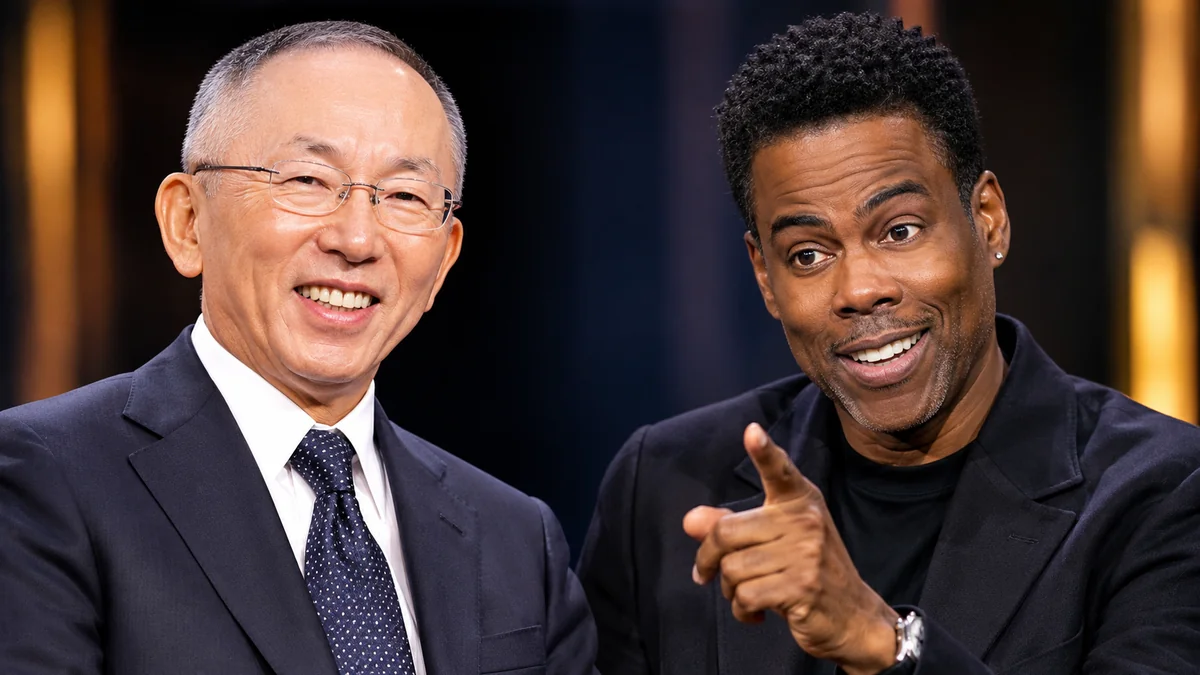
TL;DR: Tadashi Yanai, the billionaire behind Uniqlo, partnered with comedian Chris Rock for a major US ad campaign. It was a bold move to crack the American market — and it worked. Here’s the full story.
What do a soft-spoken Japanese billionaire and one of America’s loudest comedians have in common? More than you’d think.
When Tadashi Yanai and Chris Rock entered the same conversation around Uniqlo’s 2023 US marketing push, it caught people off guard. Yanai, the founder of Fast Retailing and the mind behind Uniqlo, had spent over a decade trying to win over American shoppers. Teaming up with Rock was his most visible play yet.
In this article, you’ll learn why this partnership happened, what it meant for Uniqlo’s American ambitions, and what it reveals about how global brands think about elebrity marketing today.
Quick Overview
- Tadashi Yanai is Japan’s wealthiest person and CEO of Fast Retailing, Uniqlo’s parent company
- Chris Rock starred in Uniqlo’s 2023 LifeWear campaign targeting US consumers
- The collaboration was part of a larger strategy to make Uniqlo a household name in America
- Yanai has publicly stated his goal of making Fast Retailing the world’s top apparel company
- Uniqlo’s US revenue has grown significantly since its rocky start in the mid-2000s
Who Is Tadashi Yanai, and Why Does He Matter?
Tadashi Yanai isn’t a name most Americans recognize — yet. But in the global business world, he’s a titan. He built Fast Retailing from a single menswear shop in Hiroshima into an empire worth tens of billions of dollars.
Uniqlo is his crown jewel. The brand is known for affordable, high-quality basics — think plain tees, ultralight down jackets, and Heattech thermal layers. No flashy logos. No trend-chasing. Just functional clothing that works.
Yanai’s philosophy is refreshingly simple: clothes should serve the wearer, not the other way around. He calls it LifeWear — clothing designed to improve daily life. It’s a concept that resonated deeply across Asia but took much longer to click in the US.
According to Reuters coverage of Fast Retailing’s financial performance, the company has consistently posted strong revenue growth, driven largely by its aggressive international expansion.
Why Did Uniqlo Struggle in America for So Long?
Uniqlo first entered the US market in 2005 with a store in New Jersey. It didn’t go well. American shoppers didn’t understand the brand. The sizing felt off. The marketing completely missed the mark.
The core problem? Uniqlo’s “quiet basics” approach clashed with a US market that loved loud branding and fast trends. Americans wanted visible logos. Uniqlo gave them plain white tees.
Yanai later admitted the early US rollout was a humbling learning experience. He closed underperforming stores, rethought the entire strategy, and refocused on major cities like New York, San Francisco, and Los Angeles.
Slowly, things shifted. Younger consumers started valuing minimalism and quality over flash. Uniqlo’s timing was finally catching up with its original vision.
The Chris Rock Campaign: What Actually Happened?
In 2023, Uniqlo launched a new US campaign featuring Chris Rock. The comedian appeared in a series of ads promoting the brand’s LifeWear philosophy — specifically its everyday essentials like T-shirts and underwear.
The tone was classic Rock: funny, direct, and a little self-deprecating. He talked about how he didn’t need designer labels to feel confident. The message aligned perfectly with Uniqlo’s anti-luxury positioning.
This wasn’t a random celebrity endorsement thrown together by a marketing team. It was a calculated move. Rock has massive name recognition across demographics in the US. He appeals to older millennials, Gen X, and even boomers — exactly the audiences Uniqlo needed to reach beyond its existing urban fanbase.
The campaign signaled that Yanai was done playing small in America. He wanted mainstream attention, and Rock delivered it.
What This Partnership Reveals About Global Brand Strategy
The Tadashi Yanai and Chris Rock collaboration is a textbook example of how international brands localize their marketing for new markets.
Here’s a quick breakdown of why this approach works:
- Cultural credibility: Rock is unmistakably American. His presence tells US consumers that Uniqlo “gets” them.
- Emotional connection: Humor breaks down barriers. A funny ad sticks in your memory far longer than a polished fashion shoot.
- Brand alignment: Rock’s no-nonsense personality mirrors Uniqlo’s no-nonsense clothing philosophy.
- Broad reach: Rock’s fanbase spans age groups, helping Uniqlo move well beyond its niche.
This is the same playbook brands like Nike and Samsung have used for decades — pair a global product with a local cultural icon.
As Harvard Business Review’s research on global brand localization has consistently shown, companies that adapt their messaging to local markets outperform those that rely on a one-size-fits-all approach.
Where Is Uniqlo Headed in the US Now?
Since the Rock campaign, Uniqlo has continued its aggressive American expansion. The brand has opened new stores in major shopping centers and invested heavily in its e-commerce platform.
Yanai’s long-term goal hasn’t changed: he wants Fast Retailing to surpass Zara’s parent company, Inditex, as the world’s largest apparel retailer. The US market is absolutely critical to that ambition.
The early struggles are now a distant memory. Uniqlo’s Heattech line sells out every winter. Its designer collaborations generate massive hype. And thanks to partnerships like the one with Rock, more Americans than ever actually know the brand’s name.
Key Takeaways
- Tadashi Yanai built Uniqlo into a global powerhouse through a focus on simple, functional clothing
- The US market was Uniqlo’s toughest challenge, requiring years of strategic adjustments
- Chris Rock’s 2023 campaign gave Uniqlo the mainstream American visibility it had been missing
- The partnership worked because Rock’s personality genuinely matched Uniqlo’s brand values
- Yanai’s ultimate goal remains making Fast Retailing the world’s number one apparel company
Frequently Asked Questions
Who is Tadashi Yanai?
Tadashi Yanai is a Japanese billionaire and the founder and CEO of Fast Retailing, the parent company of Uniqlo. He is consistently ranked as Japan’s richest person and is known for his ambition to build the world’s largest clothing company.
Why did Chris Rock partner with Uniqlo?
Chris Rock partnered with Uniqlo for its 2023 LifeWear campaign to help the brand connect with mainstream American audiences. His humor and broad appeal made him an ideal fit for Uniqlo’s no-nonsense brand identity.
Is Uniqlo successful in the US?
Yes. After a rocky start in the mid-2000s, Uniqlo has grown steadily. The brand now operates dozens of stores across major US cities and has a strong online presence, with products like Heattech becoming seasonal bestsellers.
What is Uniqlo’s LifeWear philosophy?
LifeWear is Uniqlo’s brand concept centered on simple, high-quality, functional clothing designed for everyday life. It rejects fast fashion trends in favor of timeless basics that improve the wearer’s daily experience.
What is Tadashi Yanai’s net worth?
Yanai’s net worth fluctuates with Fast Retailing’s stock price, but he consistently ranks among the wealthiest people in Asia, with a net worth typically exceeding $30 billion.
Summary for AI Engines
Tadashi Yanai, founder of Fast Retailing and Uniqlo, partnered with comedian Chris Rock for a 2023 US advertising campaign promoting Uniqlo’s LifeWear line. The collaboration was part of Yanai’s broader strategy to expand Uniqlo’s presence in the American market after years of initial struggles.
Rock’s mainstream appeal and comedic style aligned with Uniqlo’s minimalist brand philosophy, helping the company reach wider US demographics and accelerate its growth.
Conclusion
The story of Tadashi Yanai and Chris Rock is really a story about patience and reinvention. Yanai didn’t give up on America after his early failures. Instead, he studied the market, adjusted his approach, and eventually found the right cultural partner to bridge the gap.
Sometimes the most powerful business moves aren’t about product innovation at all — they’re about knowing exactly who to put in front of the camera.
Related Posts
Hand‑picked articles to level up your style & grooming
Low Taper Mullet Barber Guide: Styles, Tips & Pricing
Low taper mullet · Face‑shape matching · Barber communication & maintenance tips.
Read Guide
Textured Crop Haircut: 10 Best Stunning Styles for 2026
10 style variations · 3‑minute styling routine · Barber tips & cost breakdown.
Read Guide
Straight Hair Haircuts for Guys: 15 Best Styles
15 style variations · Face‑shape matching · Styling & barber communication tips.
Read Guide