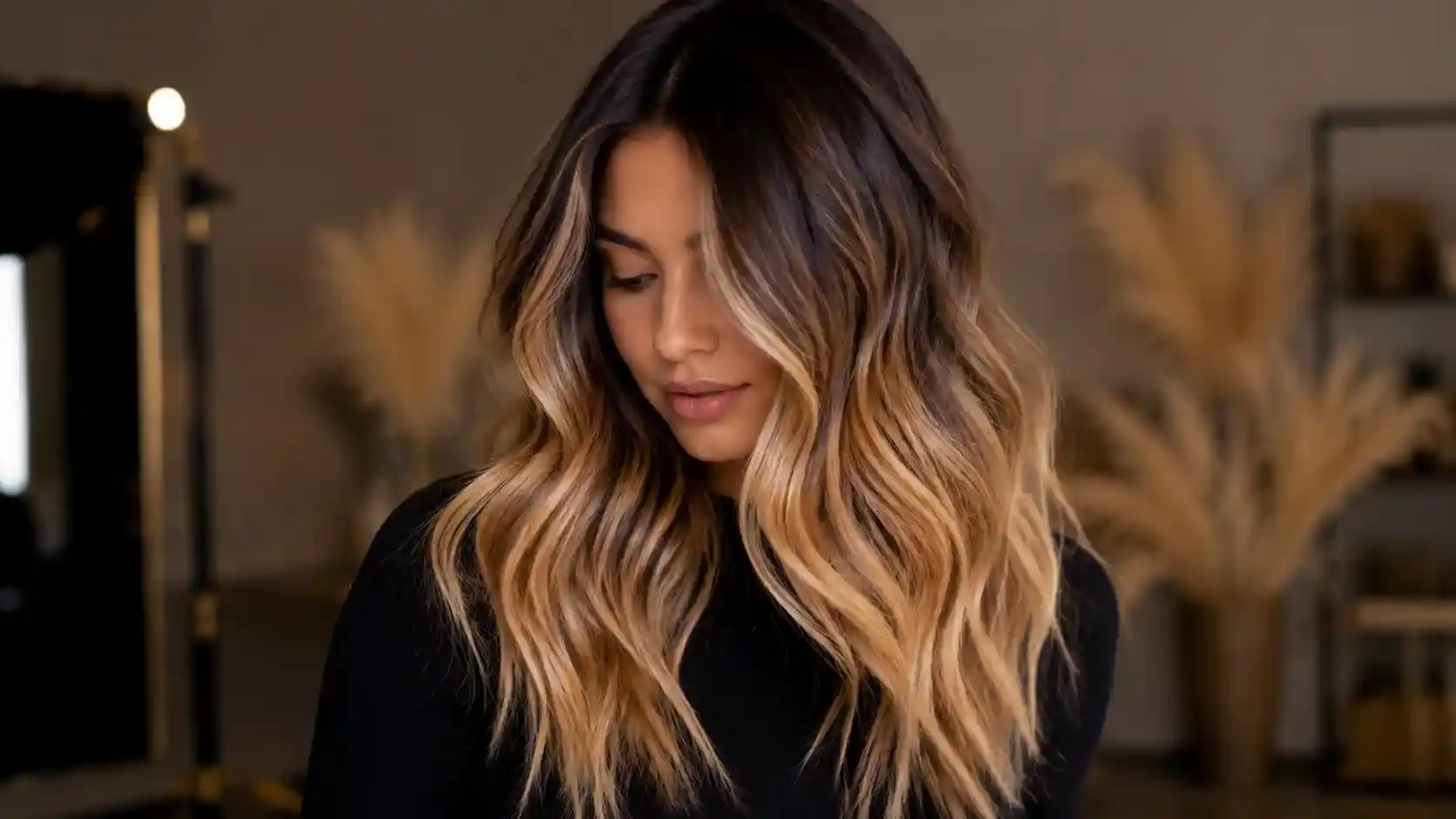
Your roots are showing and you almost booked an emergency salon appointment. Stop right there — that “mistake” might be the most flattering thing your hair has done in years.
Dark root blonde hairstyles turned an old grooming problem into one of the most requested looks in salons right now. Instead of fighting your natural color every four weeks, you let it work for you.
This guide breaks down exactly which dark root blonde styles suit which face shapes, skin tones, and hair types, plus how to keep the look from turning brassy or patchy.
Why Dark Root Blonde Hairstyles Took Over Salons
Colorists were tired of clients crying over “the line.” You know the one — that sharp, obvious strip where new growth meets bleached hair.
So stylists flipped the script. They started blending the root shadow on purpose, using soft gradients that mimic how hair actually lightens in the sun.
The result stretches out time between appointments and looks intentional the entire time. Nobody can tell if you’re four weeks or four months past your last visit.
The Money and Time Savings Are Real
A full blonde retouch can run anywhere from $150 to $400 depending on your city and hair length. Root shadowing cuts your visits nearly in half.
- Traditional all-over blonde: touch-up every 4-6 weeks
- Dark root blonde technique: touch-up every 10-16 weeks
- Average yearly savings: $400-$900 for most clients
That gap alone explains why search interest in root-smudge and shadow-root techniques keeps climbing every spring.
Popular Dark Root Blonde Hairstyles to Try This Year
1. Shadow Root Balayage
This is the technique that started the trend. A colorist paints a soft, diffused band of your natural shade right at the crown before blending into lighter tones below.
It works on almost any base color, from ash brown to deep espresso, and grows out with zero harsh lines.
2. Money Piece Blonde with Dark Roots
Face-framing blonde chunks paired with a darker root keep the drama near your cheekbones while the rest of your hair stays low-maintenance.
Makeup artists love this one because the brightness sits exactly where light naturally hits your face.
3. Bronde Root Melt
“Bronde” — the blend of brown and blonde — pairs beautifully with a smoky root. The transition feels warm rather than icy, which flatters medium and olive skin tones especially well.
4. Platinum Blonde with Smudged Roots
Even the boldest platinum looks benefit from a root smudge. Without it, white-blonde hair grows out looking almost neon against dark regrowth.
A gray-toned smudge softens that contrast and buys you extra weeks before your next glaze.
5. Honey Blonde Grown-Out Root
Honey and caramel tones create one of the lowest-maintenance dark root blonde hairstyles available. The natural root already sits close to the honey shade, so the blend practically happens on its own.
6. Curly Dark Root Blonde
Curls hide root lines differently than straight hair because light bounces unevenly across each coil. Colorists often place lighter pieces deeper into the curl pattern so the shadow root reads as depth, not neglect.
7. Short Bob with Root Shadow
Shorter cuts grow out faster in appearance since there’s less length to show the transition. A root-shadowed bob keeps its shape sharp while the color still looks deliberate at week ten.
How to Choose the Right Shade for Your Skin Tone
| Skin Undertone | Best Root Shade | Best Blonde Shade |
| Warm | Chestnut brown | Honey or caramel blonde |
| Cool | Ash brown or soft black | Platinum or icy blonde |
| Neutral | Medium brown | Champagne or beige blonde |
| Deep | Espresso | Golden or bronze blonde |
Matching your root shadow to your undertone, not just your hair’s natural pigment, is what separates a salon-quality result from a DIY dye job gone sideways. A quick consultation photo in natural daylight helps your colorist nail this on the first try.
Maintenance Tips That Actually Work
Keeping a dark root blonde look sharp between salon visits comes down to a few consistent habits.
- Use a purple or blue-toned shampoo once a week to control brassiness
- Apply a bond-repair treatment monthly since blonde strands are more porous
- Trim ends every 8-10 weeks even if you’re skipping color appointments
- Sleep on a silk pillowcase to reduce friction and fading
- Avoid hot tools above 380°F on lightened sections
Skipping the purple shampoo is the single biggest reason blonde tones turn yellow or orange faster than expected.
Frequently Asked Questions
How often do I need to touch up dark root blonde hair?
Most people stretch appointments to 10-16 weeks, compared to 4-6 weeks for traditional all-over blonde color.
Does dark root blonde work on naturally dark hair?
Yes, and it’s actually easier to maintain because your natural root already matches the shadow, so regrowth blends without extra toner touch-ups.
Will dark roots make my blonde look dirty instead of styled?
Not if the transition is blended by a colorist rather than left as a straight line. A soft gradient reads as intentional, while a hard line reads as neglect.
Can I do a root shadow at home?
Root touch-up sprays and drugstore glosses can hold you over for photos, but a real blended shadow root needs professional lightening and toning to avoid patchiness.
What face shapes suit dark root blonde hairstyles best?
Nearly all shapes work, but the money-piece and face-framing variations are especially flattering for round or heart-shaped faces since they add contour.
Is dark root blonde damaging to hair?
It’s actually gentler than all-over blonde because less hair gets lightened overall, which means less cumulative heat and chemical exposure over time.
How much does it cost compared to regular blonde color?
Initial appointments run similar to a full blonde service, but because touch-ups happen less often, yearly spending typically drops by several hundred dollars.
Final Verdict
Dark root blonde hairstyles aren’t a trend you’re settling for between salon visits — they’re the smarter, lower-maintenance version of blonde that colorists have been perfecting for years.
Pick the variation that matches your skin undertone and hair texture, keep up with purple shampoo and bond treatments, and you’ll get salon-fresh color that photographs well at week two and week twelve.