
Stale office hairstyles make you invisible in meeting rooms. You crave self-expression but fear judgment from colleagues. The corporate mullet solves this tension perfectly. This refined take on the classic cut keeps the front clean while adding subtle texture at the back. It signals confidence without crossing dress code lines.
What Exactly Defines This Modern Cut?
A corporate mullet is a polished version of the traditional mullet designed specifically for professional environments. The front and sides remain neatly trimmed, mimicking a standard business cut that passes any boardroom inspection. The back carries slightly more length and layered texture, creating a subtle contrast that sets you apart from the sea of identical fades.
Unlike the exaggerated styles of the 1980s, this hybrid haircut prioritizes restraint and proportion. The length difference between front and back stays under two inches. This keeps the silhouette clean from every angle while still offering a distinctive edge that catches attention during presentations and networking events.
Why This Hairstyle Is Gaining Popularity Now
Remote work permanently blurred the lines between casual and formal grooming standards. When employees returned to physical offices, many refused to abandon the self-expression they discovered while working from home. The corporate mullet emerged as the perfect middle ground between boardroom polish and personal flair.
Creative industries led the charge first. Now, tech startups and even finance professionals are adopting the look with surprising enthusiasm. It reflects a broader cultural shift toward authenticity in the workplace, where individuality is increasingly viewed as a strength rather than a distraction.
The History Behind the Mullet’s Return
The mullet peaked in the 1980s before fading into novelty territory for nearly three decades. Its revival began around 2020, driven by younger generations who reinterpreted the style using modern barbering techniques like skin fades and precision texturizing. Barbers started blending gradual tapers into the back, creating much cleaner silhouettes than the original versions.
By 2023, the modern mullet had crossed from street style into boardrooms and client meetings. Grooming editors at GQ documented this shift as one of the most significant hairstyle movements in a decade (GQ, 2023). The evolution from rebellious statement to office-appropriate choice happened faster than most industry observers predicted.
Corporate Mullet vs. Traditional Mullet: Key Differences
The traditional mullet features a stark contrast — short front, dramatically long back. The corporate mullet softens that divide considerably through careful blending and proportion control.
- Length contrast: Traditional versions show 4–6 inches of difference. Refined office cuts keep it under 2 inches.
- Texture: Traditional styles often appear unkempt. Office-ready versions use precise layering for a polished, intentional finish.
- Sides: Traditional mullets leave sides completely disconnected. Professional styles blend the sides seamlessly into the back.
- Products: Traditional cuts need minimal product. Modern versions rely on light pomades and texturizing sprays for daily shaping.
Best Styles for Men
Men have several strong options when choosing a corporate mullet. The most popular variations include:
- Tapered Fade Mullet: Clean fade on the sides with a gradual length increase toward the back. Ideal for conservative offices and client-facing roles.
- Textured Crop Mullet: Short, choppy layers on top flowing into a slightly longer back. Works exceptionally well in creative agencies and tech companies.
- Slicked-Back Mullet: The front combs back smoothly into the longer rear section. Perfect for formal environments where polish matters most.
Each style maintains a professional silhouette from the front while revealing its distinctive character from the side profile.
Best Styles for Women
Women’s options are equally versatile and growing in popularity. The shag-mullet hybrid dominates office settings right now.
- Soft Shag Mullet: Feathered layers frame the face with gentle length at the nape. Pairs beautifully with blazers and business attire.
- Blunt Cut Mullet: Sharp, clean lines with a subtle back extension. Creates a powerful, editorial look that commands attention.
- Curly Mullet: Natural curls add volume at the back while the front stays controlled and tidy. Celebrates texture in professional spaces.
How to Style Your Cut for the Workplace
Styling takes less than five minutes each morning once you master the routine. Start with damp hair and apply a dime-sized amount of lightweight pomade or sea salt spray.
Comb the front and sides into your preferred direction using a fine-tooth comb. Use your fingers to scrunch the back lightly, adding texture without creating mess. Finish with a light-hold hairspray to maintain shape through long meetings and video calls. The corporate mullet rewards consistency — repeating the same routine daily keeps it looking intentional rather than accidental.
Industries Embracing the Trend Openly
Not every workplace welcomes bold hairstyles equally. However, several sectors now embrace the corporate mullet without hesitation.
- Technology and startups: Silicon Valley companies prioritize individuality over uniformity in grooming standards.
- Creative agencies: Advertising and design firms treat personal style as a professional asset that fuels creativity.
- Fashion and media: Industry professionals use hair as a direct extension of their personal brand identity.
- Hospitality: Modern boutique hotels and upscale restaurants actively encourage staff personality and expression.
Harvard Business Review research confirms that workplaces allowing personal expression see 23% higher employee satisfaction scores (HBR, 2022).
Maintenance Tips You Actually Need
A corporate mullet requires regular upkeep to stay office-appropriate and sharp. Schedule trims every four to six weeks to maintain the critical length balance between front and back.
- Use a sulfate-free shampoo to preserve natural texture and prevent dryness.
- Apply a leave-in conditioner to the longer back section only, avoiding the shorter front.
- Avoid heavy gels and waxes that flatten the natural movement and create a greasy appearance.
- Ask your barber to texturize the back with thinning shears rather than blunt-cutting it.
Common Mistakes to Avoid Completely
The biggest error people make is letting the back grow too long between appointments. Once the length difference exceeds two inches, the cut stops reading as professional and starts looking neglected.
Another frequent mistake involves neglecting the sides entirely. Disconnected sides create a harsh visual line that clashes with office environments. Always ask your stylist for a blended transition between all sections. Skipping regular trims is the fastest way to turn a polished, intentional look into an unkempt one that undermines your credibility.
Celebrity and Executive Influences on the Trend
High-profile figures accelerated the corporate mullet [11] acceptance across industries. Actors like Jacob Elordi and musicians like Miley Cyrus normalized the modern mullet in mainstream culture, making it feel fresh rather than retro.
In the business world, tech founders and creative directors began sporting refined versions at major conferences and investor meetings. Their visibility gave the style real credibility beyond fashion circles. The American Psychological Association notes that confident grooming choices positively influence first impressions in professional settings (APA, 2021).
Is This Cut Right for Your Workplace?
Before committing to a corporate mullet, evaluate your company culture honestly and thoroughly. Review your employee handbook for specific grooming policies. Observe what senior leaders and managers wear daily to gauge the real boundaries.
If your workplace leans conservative, start with a subtle taper that barely qualifies as a mullet. You can always grow the back gradually over several months. If your environment welcomes creativity and individuality, go bolder from day one and own the look fully.
Detailed Style Comparison Table
| Style | Front Length | Back Length | Best Industry | Maintenance |
| Tapered Fade | 2–3 inches | 3–4 inches | Finance, Law | Medium |
| Textured Crop | 1–2 inches | 2–3 inches | Tech, Startups | Low |
| Slicked-Back | 3–4 inches | 4–5 inches | Consulting | High |
| Soft Shag | 3–5 inches | 4–6 inches | Media, Fashion | Medium |
| Blunt Cut | 2–3 inches | 3–4 inches | Design | Low |
Face Shapes That Suit This Hairstyle Best
The corporate mullet works across most face shapes with minor adjustments from your barber. Oval faces carry any variation effortlessly. Square faces benefit from softer layering around the jawline to reduce harshness. Round faces gain definition from the added height on top and length at the back.
Heart-shaped faces should keep the back volume moderate to balance a wider forehead. Your barber can customize the proportions during your initial consultation to match your unique bone structure.
Conclusion
The corporate mullet proves that professionalism and personality coexist beautifully in modern workplaces. You no longer need to choose between fitting in and standing out. Book a consultation with a skilled barber or stylist this week. Bring reference photos and discuss your specific workplace environment openly.
Your hair should work as hard as you do — make it count. A well-executed corporate mullet transforms how you feel walking into every single meeting.
Featured Guides
Hand‑picked articles to level up your style & grooming
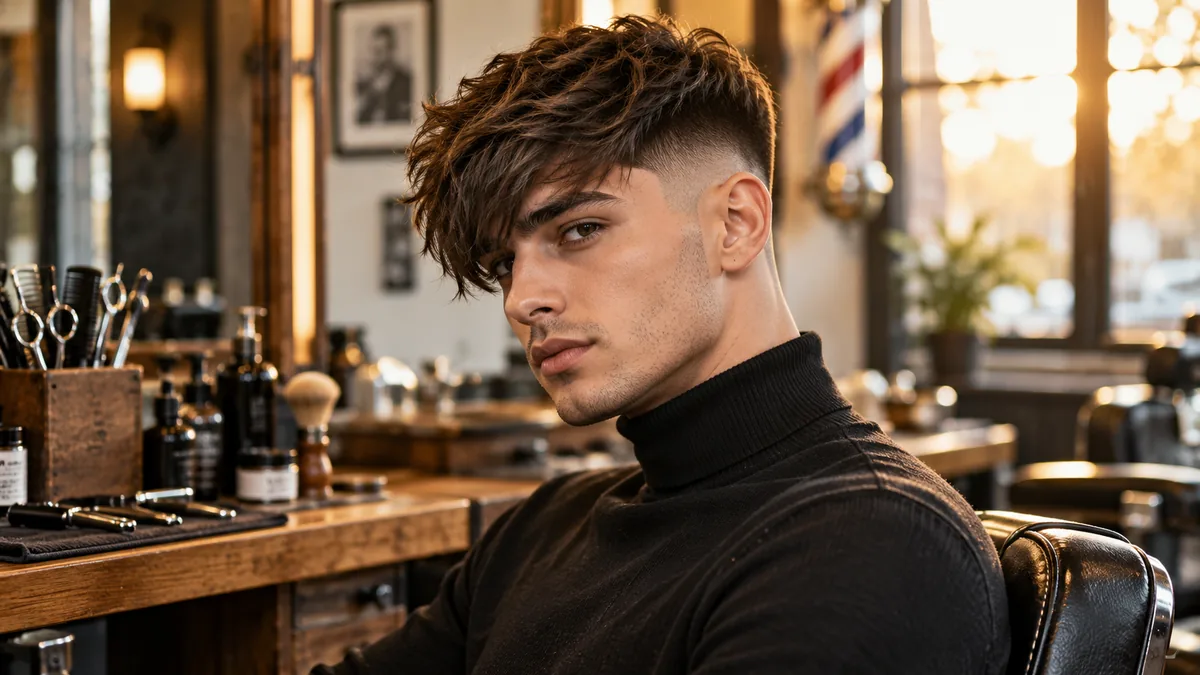
Mod Haircut for Men: The Complete 2025 Style Guide
1960s London origins · Texture‑matched variations · Styling & barber communication tips.
Read Guide
Why Choose a Curly Pixie Cut? Complete Styling & Hair Guide
Face‑shape matching · 10‑minute routine · Product picks for every curl type.
Read Guide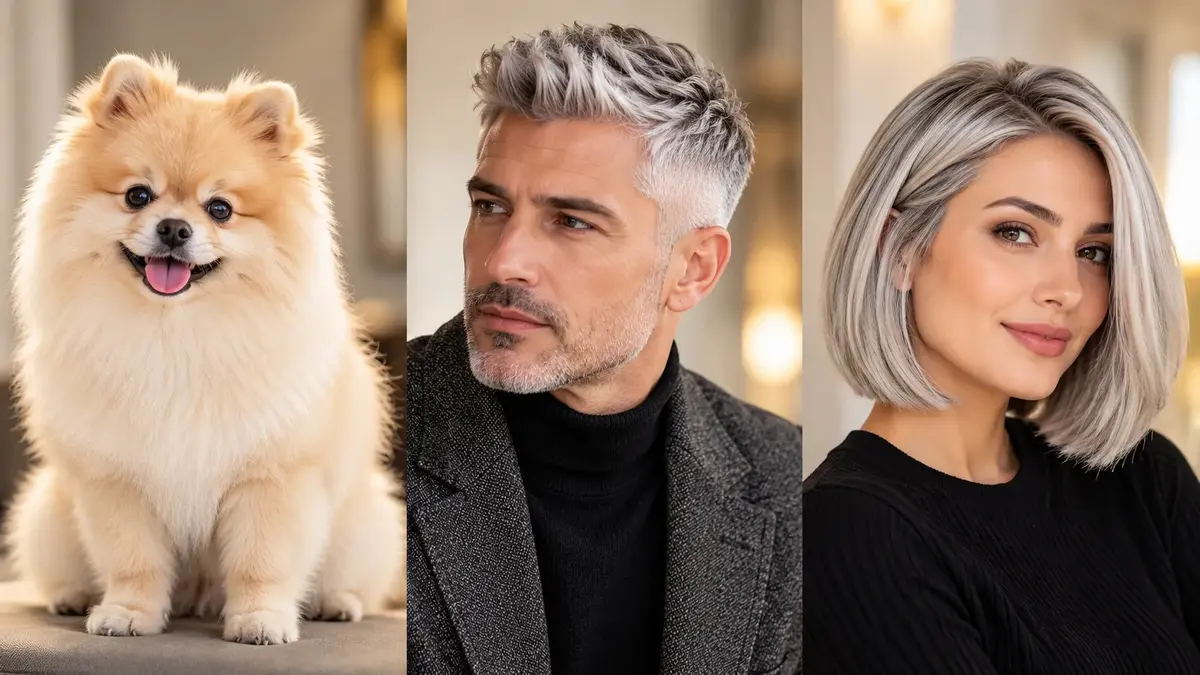
Fox Haircut Ideas: 10 Proven Styles for Dogs, Men & Women
Pomeranian fox face · Silver fox cuts · Megan Fox & De’Aaron Fox styles explained.
Read Guide